
Importing rattan furniture from Indonesia involves identifying product requirements, finding verified suppliers through marketplaces or trade shows, and preparing export documentation. Indonesia is a global leader in rattan production—with major hubs in Cirebon, Bali, and Surabaya—offering quality, sustainability, and competitive prices that attract buyers from around the world.
- Indonesia supplies approximately 80% of the world’s raw rattan.
- Cirebon, West Java, is the largest rattan furniture manufacturing hub in Asia.
- The minimum order quantity (MOQ) for rattan furniture typically ranges from 50 to 200 pieces per design.
How to Import Rattan Furniture from Indonesia: A Complete Step-by-Step Guide in 2026
Rattan furniture from Indonesia has become one of the most sought-after products in the global home decor market. Known for its natural aesthetic, durability, and eco-friendly properties, Indonesian rattan consistently attracts buyers from the United States, Europe, Australia, and the Middle East. But knowing where to buy is only half the battle, understanding how to import it correctly is what separates a smooth transaction from a costly mistake.
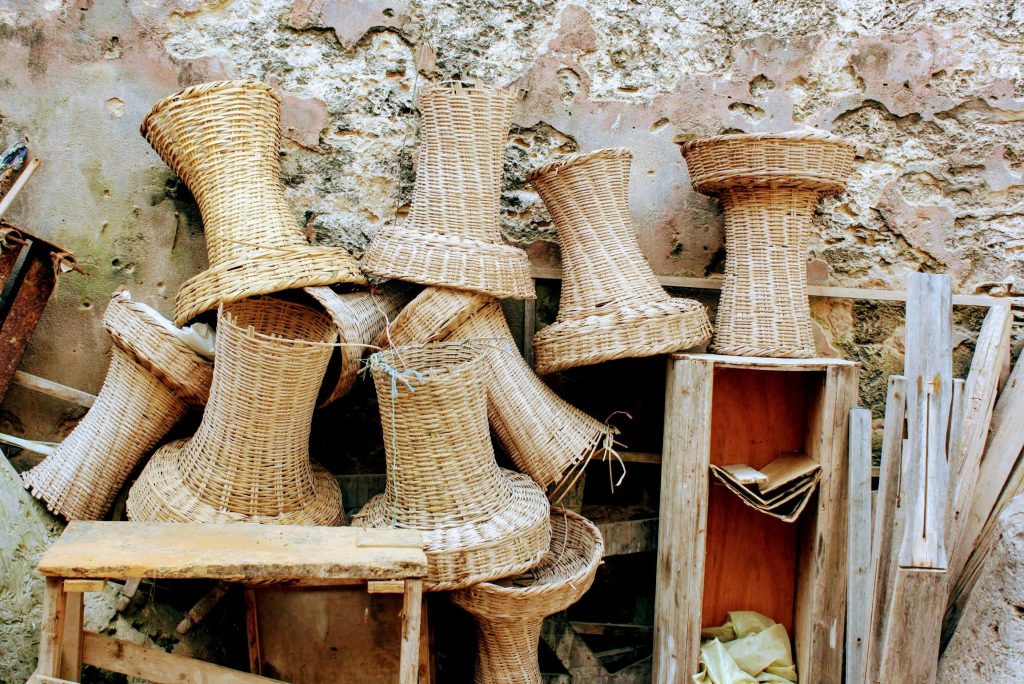
This guide walks you through every step of the import process, from finding a reliable supplier to clearing customs in your home country.
Why Indonesia Is the World’s Top Rattan Furniture Source
Indonesia supplies roughly 80% of the world’s raw rattan, making it the undisputed global leader in rattan production. Key production hubs include:
- Cirebon, West Java, the largest rattan furniture manufacturing center in Asia
- Bali, premium handcrafted pieces with strong export networks
- Surabaya, East Java, major port hub with competitive factory pricing
The combination of abundant raw materials, skilled artisans, competitive labor costs, and established export infrastructure makes Indonesia the most practical sourcing destination for rattan furniture buyers worldwide.
Step 1: Define Your Product Requirements
Before you contact a single supplier, get specific about what you need. This saves time and prevents miscommunication.
You should clarify:
- Product type, dining chairs, sofas, side tables, outdoor sets, shelving units, etc.
- Rattan type, natural rattan (raw cane), synthetic rattan (resin wicker), or rattan peel
- Finish and color, natural, white-washed, painted, stained
- Quantity, minimum order quantities (MOQs) typically range from 50 to 200 pieces per design
- Target price range, knowing your budget helps suppliers propose the right material grade
Having detailed specs (including dimensions, preferred weave pattern, and cushion requirements) means faster quotes and fewer revision rounds.
Step 2: Find a Verified Indonesian Rattan Furniture Supplier
There are several reliable channels to source Indonesian furniture manufacturers:
Online Marketplaces & Directories
- Alibaba.com, wide range of suppliers, use “Trade Assurance” verified sellers
- IndoTrading.com, Indonesia-specific B2B directory
- Rattanhub.com, Rattan Furniture expoter from Indonesia
Trade Shows
- IFFINA (Indonesia International Furniture & Craft Fair), held annually in Jakarta, this is the best place to meet vetted exporters face-to-face
- IFMAC & WOODMAC, also Jakarta-based, focused on furniture production
Direct Factory Contact
For buyers ready to commit to larger orders, contacting factories directly in Cirebon or Bali often yields better pricing and more customization options.
What to check before committing to a supplier:
- Export license (Surat Izin Usaha Perdagangan / SIUP)
- Factory audit or third-party verification
- Product catalog and material samples
- References or past export testimonials
Step 3: Request Samples Before Placing a Bulk Order
Never skip the sample stage. A $200–$500 sample investment can save you from a $20,000 mistake.
When requesting samples:
- Ask for the exact material, finish, and weave you plan to order in bulk
- Test for structural durability, sit on chairs, test joint strength, check for loose strands
- Check for pest treatment compliance (more on that below)
- Confirm dimensions match your spec sheet
Most Indonesian exporters will charge for samples plus shipping, but reputable ones deduct the sample cost from your first bulk order.
Step 4: Understand Import Regulations in Your Country
This is where many first-time importers get caught off guard. Import rules vary significantly by destination country.
United States
- Rattan furniture generally falls under HS Code 9401.69 or 9403.89
- Import duties range from 0% to 5.6% depending on product classification
- The U.S. Department of Agriculture (USDA) requires that natural rattan products meet ISPM-15 phytosanitary standards (heat treatment to prevent pest transport)
- U.S. Customs requires a CBP Form 3461 for entry
European Union
- The EU has a Generalised Scheme of Preferences (GSP) for Indonesia, which can reduce tariffs significantly
- CITES regulations may apply if the rattan species is listed, confirm with your supplier
- CE marking is not required for furniture, but safety standards (EN 16139 for outdoor furniture) are expected by major retailers
Australia
- Strict biosecurity rules apply, natural rattan must be treated and declared
- The Department of Agriculture, Water and the Environment governs wood and plant material imports
Always consult a licensed customs broker in your country before placing your first order. The cost is worth it.
Step 5: Negotiate Terms and Create a Purchase Agreement
Once you’ve selected your supplier and confirmed compliance, it’s time to lock in terms. Key points to negotiate:
| Term | What to Clarify |
|---|---|
| Payment Terms | 50% deposit, 50% before shipment is standard |
| Production Lead Time | Typically 30–60 days for custom orders |
| Packaging | Knock-down (flat-pack) vs. assembled; protective wrapping specs |
| Incoterms | FOB (Free on Board) is most common, you handle freight from Indonesian port |
| Quality Inspection | Third-party inspection (e.g., SGS, Bureau Veritas) before shipment |
Always have a written contract, even for smaller orders. It should include product specifications, delivery timeline, penalty clauses for late delivery, and dispute resolution terms.
Step 6: Arrange Shipping and Freight Forwarding
Most Indonesian rattan furniture exporters are experienced with international shipping. You’ll typically choose between:
- FCL (Full Container Load), for orders filling a 20ft or 40ft container; most cost-effective per unit
- LCL (Less than Container Load), for smaller orders; you share container space but pay higher per-CBM rates
For large rattan pieces (sofas, dining sets), a 40ft High Cube container is usually recommended. Work with a freight forwarder who has experience with Indonesia-to-your-country routes, they’ll handle the Bill of Lading, Certificate of Origin, and coordinate with the exporter’s logistics team.
Main export ports in Indonesia:
- Tanjung Priok, Jakarta, largest port, most freight options
- Tanjung Perak, Surabaya, common for East Java suppliers
- Ngurah Rai / Benoa, Bali, for Bali-based exporters
Step 7: Prepare Your Import Documentation
For smooth customs clearance, ensure these documents are in order:
- Commercial Invoice, itemized list with unit prices and total value
- Packing List, quantity, weight, and dimensions per carton
- Bill of Lading (B/L), issued by the shipping line
- Certificate of Origin (SKA/Form A), issued by Indonesian trade authorities, needed for preferential tariff treatment
- Phytosanitary Certificate, for natural rattan, certifying pest treatment compliance
- Fumigation Certificate, if wood packing material (pallets, crates) is used
Your customs broker will typically guide you through which documents are mandatory for your specific import country.
Step 8: Clear Customs and Receive Your Goods
Once your shipment arrives at the destination port, your customs broker files the entry and pays applicable duties. Expect a 3–7 business day clearance window for standard shipments with complete documentation.
After clearance:
- Inspect all items against your packing list immediately upon delivery
- Document any damage with photos before signing the delivery receipt
- File a freight claim promptly if items are damaged, most freight insurance claims have a 7-day window
Common Mistakes to Avoid
- Skipping the sample stage, what looks good in photos may not meet quality expectations
- Ignoring phytosanitary requirements, natural rattan rejected at customs means delays and fines
- Choosing FOB without understanding your responsibilities, once goods leave the Indonesian port, you’re responsible
- Not verifying supplier export credentials, work only with factories that have documented export experience
- Underestimating lead time, factor in 45–75 days from order confirmation to arrival at your warehouse
Final Thoughts
Importing rattan furniture from Indonesia is a proven, profitable strategy for furniture retailers, interior designers, and e-commerce businesses worldwide. The key is preparation: know your product specs, vet your supplier thoroughly, understand your country’s import rules, and work with experienced freight and customs partners.
With Indonesia’s unmatched position as the world’s rattan capital, the supply quality and variety available to international buyers is unrivaled, you just need the right process to tap into it.
FAQ (Frequently Asked Questions)
Why has Indonesia become a major source of global rattan furniture?
Indonesia supplies approximately 80% of the world’s raw rattan, supported by abundant raw materials, skilled artisans, competitive labor costs, and established export infrastructure, with Cirebon, Bali, and Surabaya serving as key production hubs.
How can you find verified rattan furniture suppliers in Indonesia?
You can find suppliers through online marketplaces such as Alibaba.com and IndoTrading.com, attend trade shows like IFFINA in Jakarta, or contact factories in Cirebon or Bali directly for larger orders.
What needs to be defined before contacting suppliers?
Before contacting suppliers, specifically define the product type (chairs, sofas), rattan type (natural, synthetic, peel), finish and color, quantity (MOQ), and your target price range to expedite the quotation process.